Get in Touch with EETO

★CE & ISO 9001 Certified Manufacturer
Industrial Laser Cleaning Machine: Factory Direct, Zero Chemicals
Precision fiber laser cleaning systems for rust removal, paint stripping, oxide removal and industrial surface preparation. Pulsed & CW laser technology. 100W–3000W. Trusted by manufacturers in 40+ countries.
Pulsed Laser Cleaning
CW Fiber Laser
Laser Rust Removal
Laser Paint Stripping
Laser Ablation
Surface Preparation
Non-Contact Cleaning
Technology Comparison
Laser Cleaning vs. Chemical, Physical, and Ultrasonic Methods
Based on our engineering documentation and customer deployment data, here is how CW fiber laser cleaning compares to the three primary alternative industrial cleaning technologies:
Performance & ROI Matrix
| Criterion | ✅ Laser Cleaning | Chemical Cleaning | Physical / Sandblasting | Ultrasonic Cleaning |
|---|---|---|---|---|
| Environmental Impact | Green — zero chemicals | Highly polluting, toxic waste | Medium — abrasive waste | Low — water-based |
| Substrate Damage Risk | Minimal — non-contact | Medium — corrosion risk | High — micro-pitting, fatigue | Low |
| Cleaning Thoroughness | Excellent — micron-level | Good for some chemistry | Not thorough — smears | Good — part-size limited |
| Automation Integration | Fully robot-compatible | Partial | Complex, expensive | Limited — tank size |
| Consumable Costs | Near zero (lens only) | Very high | High — grit consumption | Medium — bath replacement |
| Part Size Flexibility | Unlimited — fiber delivery | Medium | Large areas, but messy | Limited by tank size |
| Labor Intensity | Low — automatable | Medium | High — dangerous PPE | Low — load & unload |
Product Range
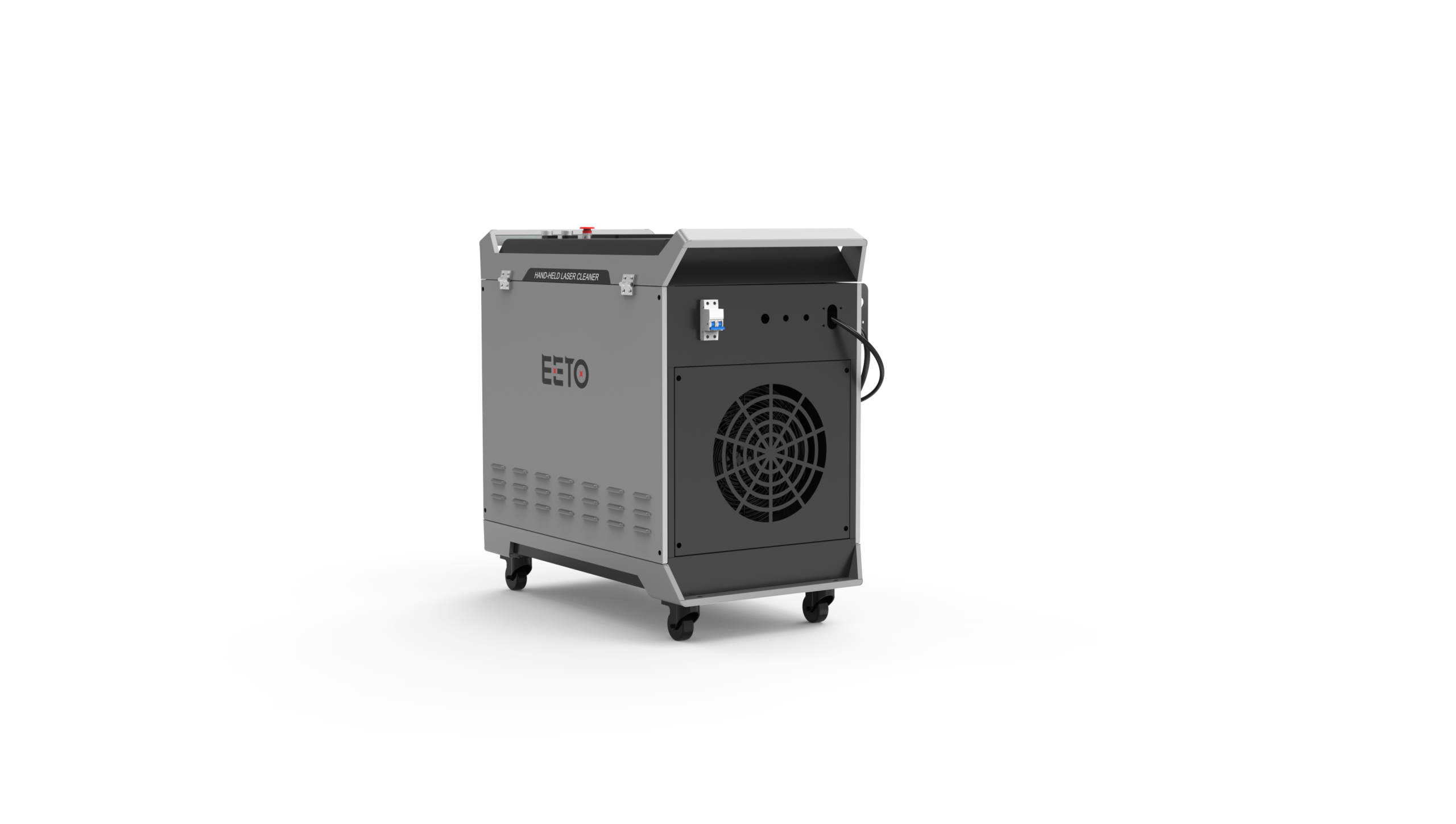
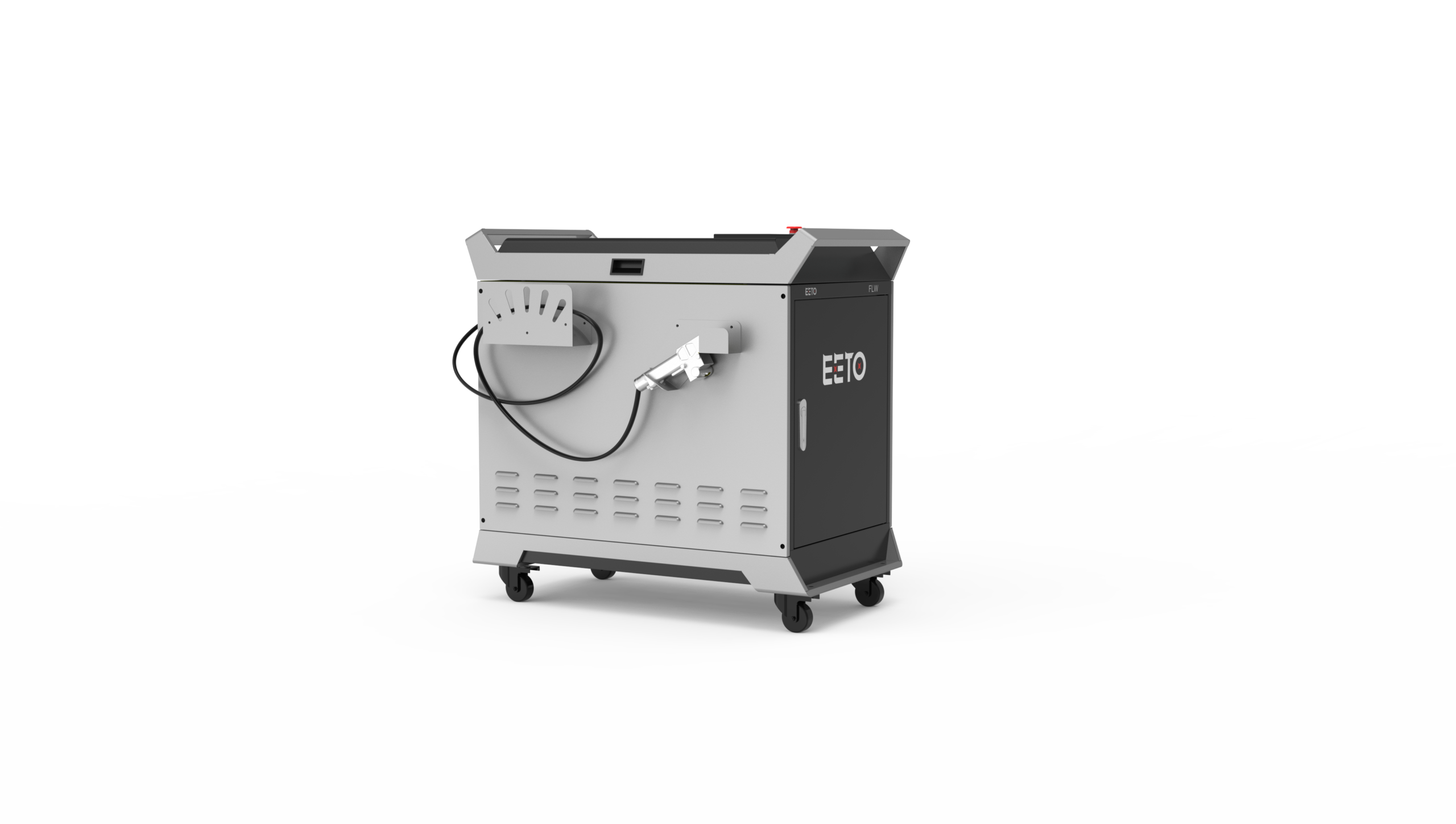
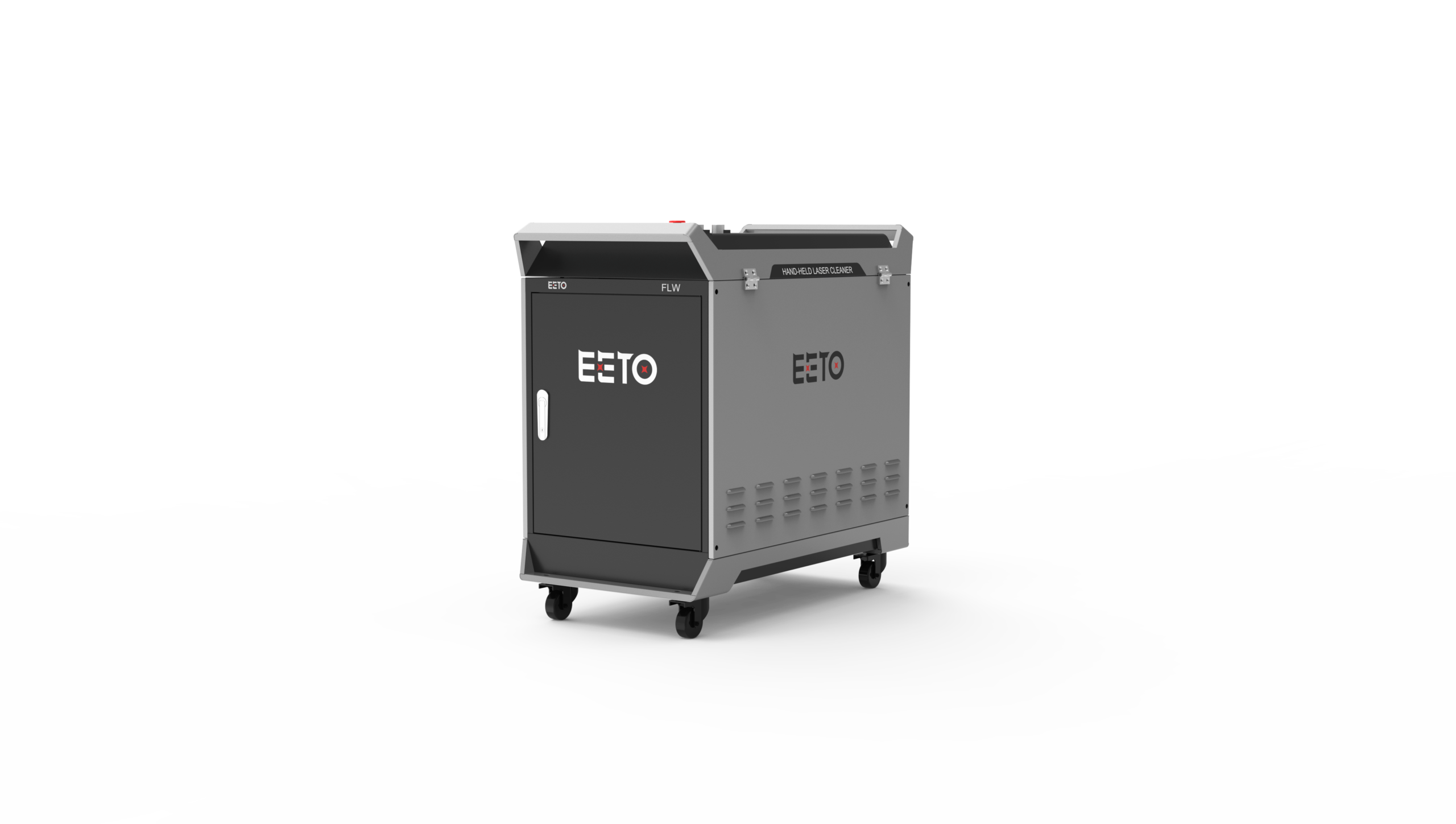
CW Fiber Laser Cleaning Machine — Three Power Models
Choose the right continuous wave laser cleaning power for your contamination type, required throughput, and substrate. All models use the same SUP22C cleaning head and CQWY touch screen control system.
FLC-1500 Specifications 1500W
| Laser Source | BWT / RAYCUS |
| Power Input | 220V, 1Ph, 50/60Hz |
| Power Consumption | 6.8 kW |
| Max Scan Width | 150 mm |
| Oxide Efficiency | 15 m²/h |
| Rust Efficiency | 4 m²/h |
| Cooling | HANLI Water Chiller |
| Auxiliary Gas | 3–5 Bar Compressed Air |
| Machine Size | 986 × 635 × 963 mm |
| Weight | ≤ 220 kg |
FLC-2000 Specifications 2000W
| Laser Source | BWT / RAYCUS |
| Power Input | 220V, 1Ph, 50/60Hz |
| Power Consumption | 8.6 kW |
| Max Scan Width | 300 mm ↑ |
| Oxide Efficiency | 20 m²/h ↑ |
| Rust Efficiency | 5 m²/h ↑ |
| Cooling | HANLI Water Chiller |
| Auxiliary Gas | 3–5 Bar Compressed Air |
| Machine Size | 986 × 635 × 963 mm |
| Weight | ≤ 220 kg |
FLC-3000 Specifications 3000W
| Laser Source | BWT / RAYCUS |
| Power Input | 380V, 3Ph, 50/60Hz |
| Power Consumption | 12.8 kW |
| Max Scan Width | 300 mm |
| Oxide Efficiency | 30 m²/h ★ |
| Rust Efficiency | 14 m²/h ★ |
| Cooling | HANLI Water Chiller |
| Auxiliary Gas | Max 15 Bar |
| Machine Size | 986 × 635 × 963 mm |
| Weight | ≤ 220 kg |
Technical Performance Data
CW Laser Cleaning Machine Parameter Table
Official cleaning performance data from factory testing. All values represent ideal test evaluation values under optimal conditions: flat mild steel surface, clean compressed air assist at 3 Bar, HANLI chiller at rated setpoint. Real-world throughput varies by contamination type, surface geometry, and ambient conditions.
| Laser Power | Cleaning Object | Cleaning Thickness | Clean Speed | Scan Width | Efficiency (Ideal) |
|---|---|---|---|---|---|
| 1500W | Oxidation Layer | ≤ 20 μm | 50 mm/s | 150 mm | 15 m²/h |
| 1500W | Heavy Rust | ≤ 120 μm | 50 mm/s | 150 mm | 4 m²/h |
| 2000W | Oxidation Layer | ≤ 20 μm | 50 mm/s | 300 mm | 20 m²/h |
| 2000W | Heavy Rust | ≤ 120 μm | 50 mm/s | 300 mm | 5 m²/h |
| 3000W | Oxidation Layer | ≤ 20 μm | 50 mm/s | 300 mm | 30 m²/h ★ |
| 3000W | Heavy Rust | ≤ 120 μm | 50 mm/s | 300 mm | 14 m²/h ★ |
★ Engineering Disclaimer
Ideal test evaluation values. Actual performance depends on material grade, contamination depth, operating temperature, and auxiliary gas purity. Our application engineers recommend sending sample materials for pre-delivery testing at no charge.
Core Components
What’s Inside Every EETO CW Laser Cleaning Machine
We specify globally trusted component brands for every critical system — ensuring reliability, spare parts availability, and performance consistency across your production lifetime.
01
Fiber Laser Source
BWT (primary) or RAYCUS (optional). Both deliver >100,000hr MTBF at rated output with wavelength stability of ±0.5nm.
02
Laser Cleaning Head — SUP22C
Double safety mechanism design. Compact and ergonomic. Replaceable protective lens. IP54-rated for industrial environments.
03
CQWY Touch Screen Controller
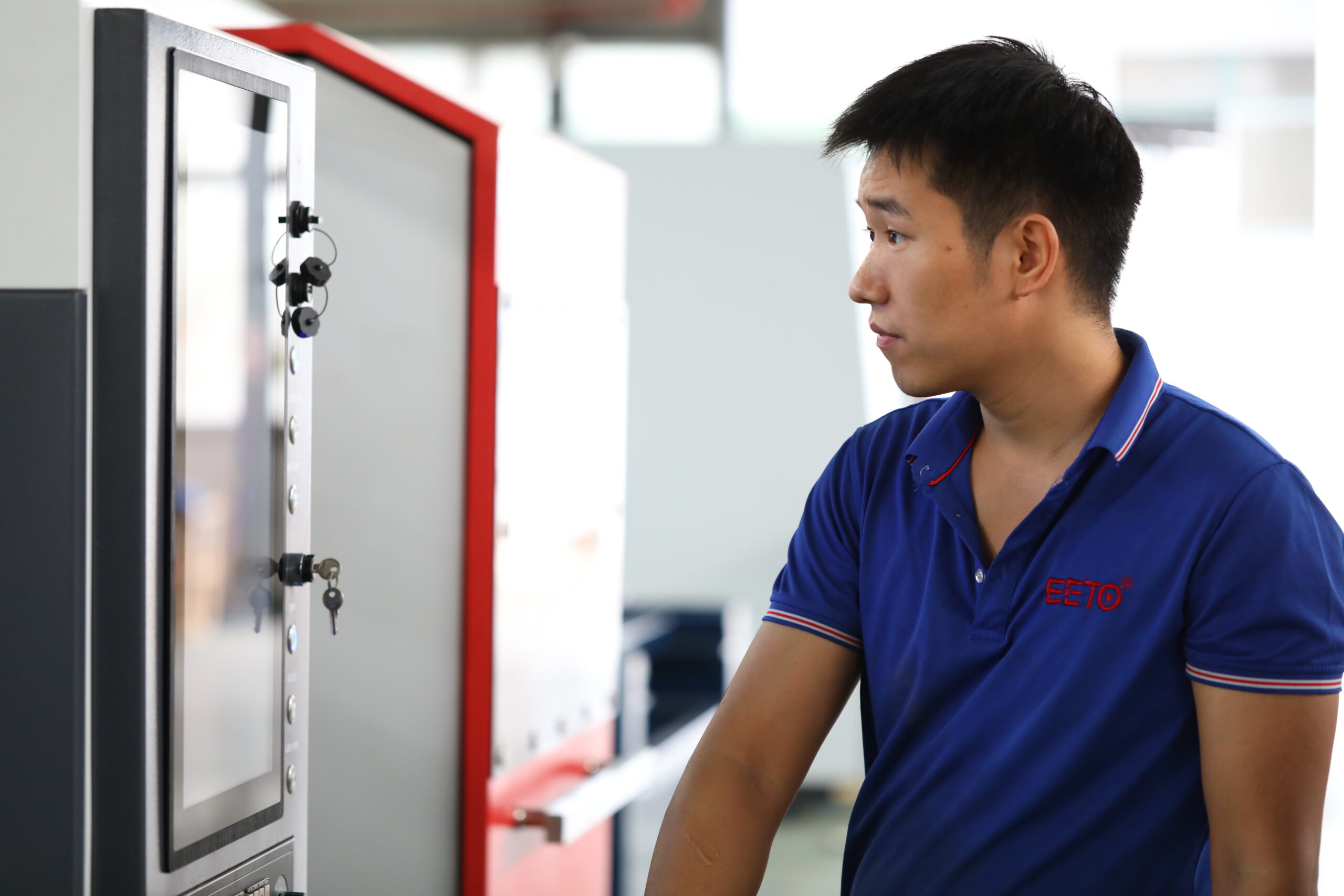
Industrial touch screen HMI with intuitive parameter interface. Adjustable: scanning frequency, scan width, peak power, duty cycle, and frequency. Includes secure lock for operator safety.
04
HANLI Water Chiller
High cooling efficiency and capacity for continuous duty cycle 24/7 operation. Maintains fiber laser source temperature within ±0.5°C for consistent beam quality throughout long production runs.
05
Compressed Air Assist System
Integrated auxiliary gas delivery via φ8 inlet pipe. Operating pressure 3–5 Bar standard, maximum 15 Bar for aggressive applications. Gas assist removes ablated debris and suppresses plasma.
06
Safety System
CE-certified safety design. Emergency stop interlock, key-switch activation, beam shutter, and warning indicators. Double-safety mechanism in SUP22C head prevents accidental beam emission.
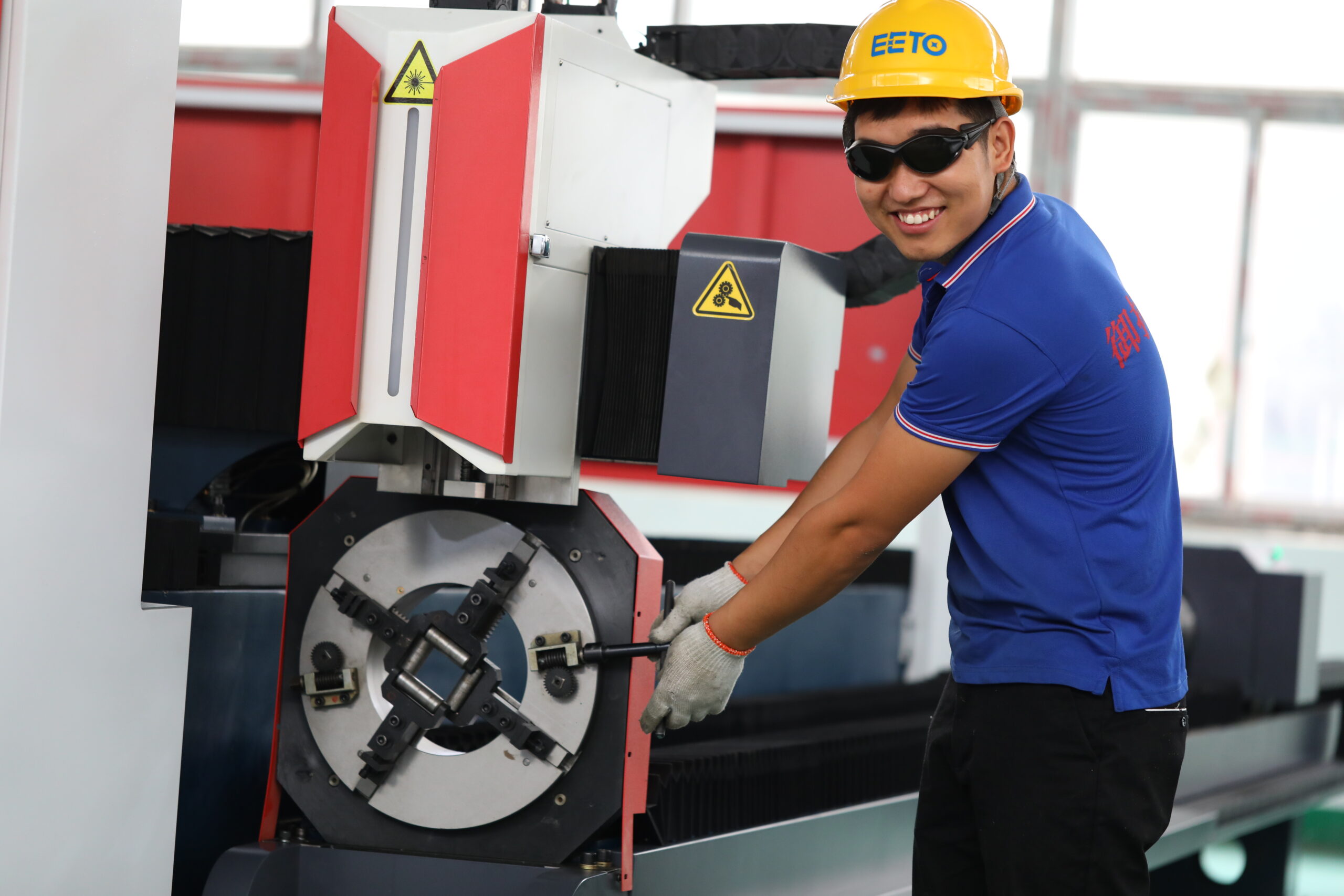
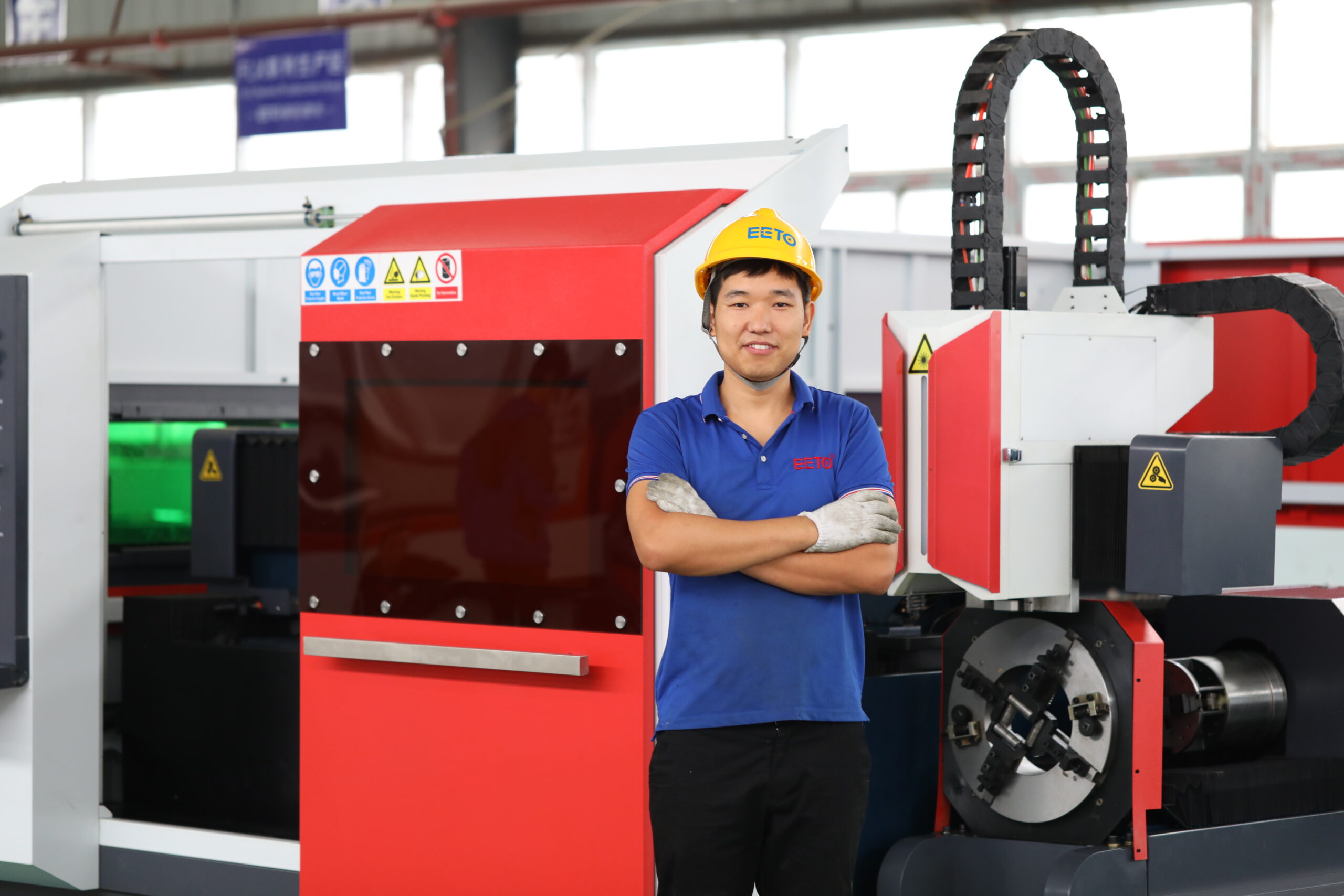
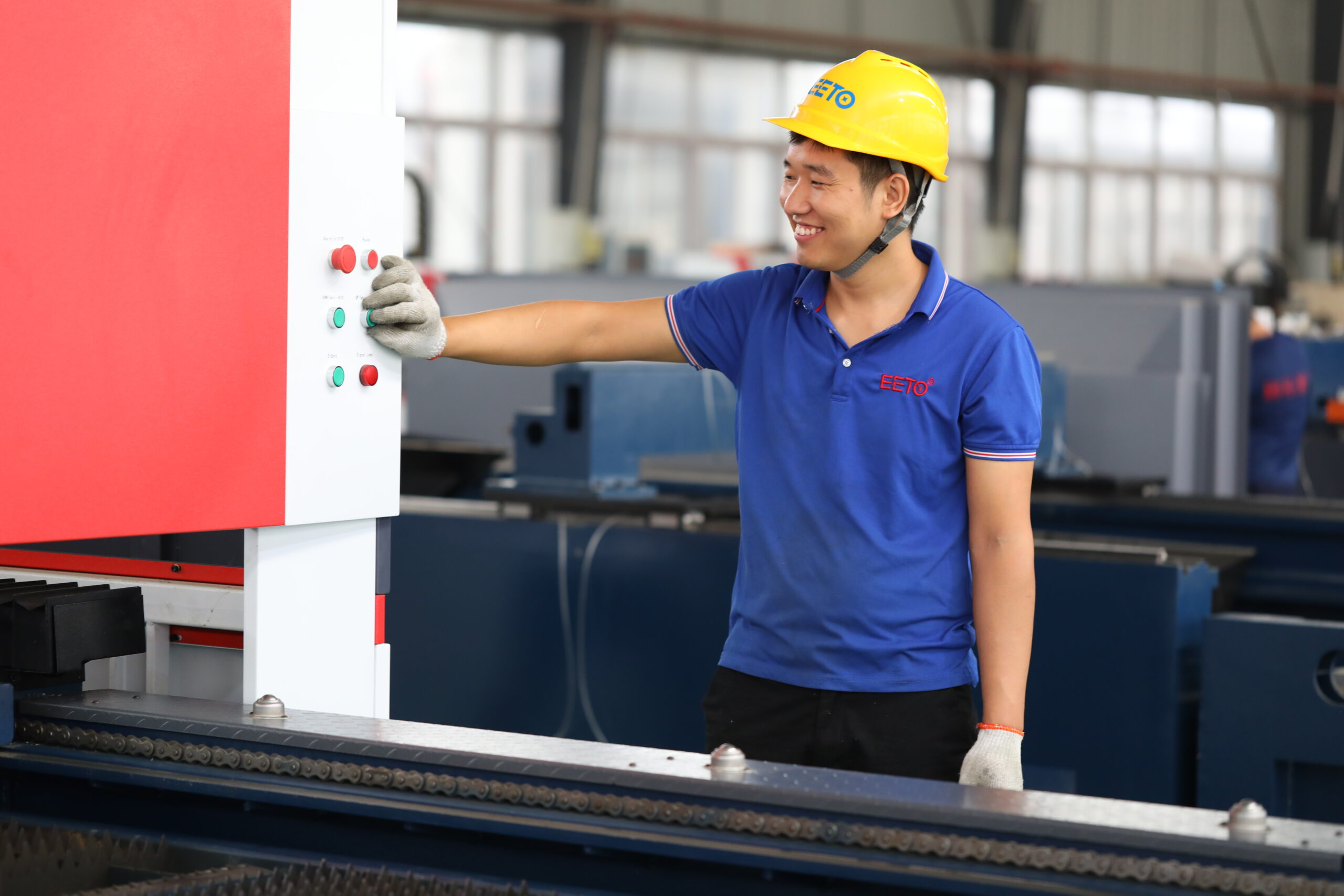
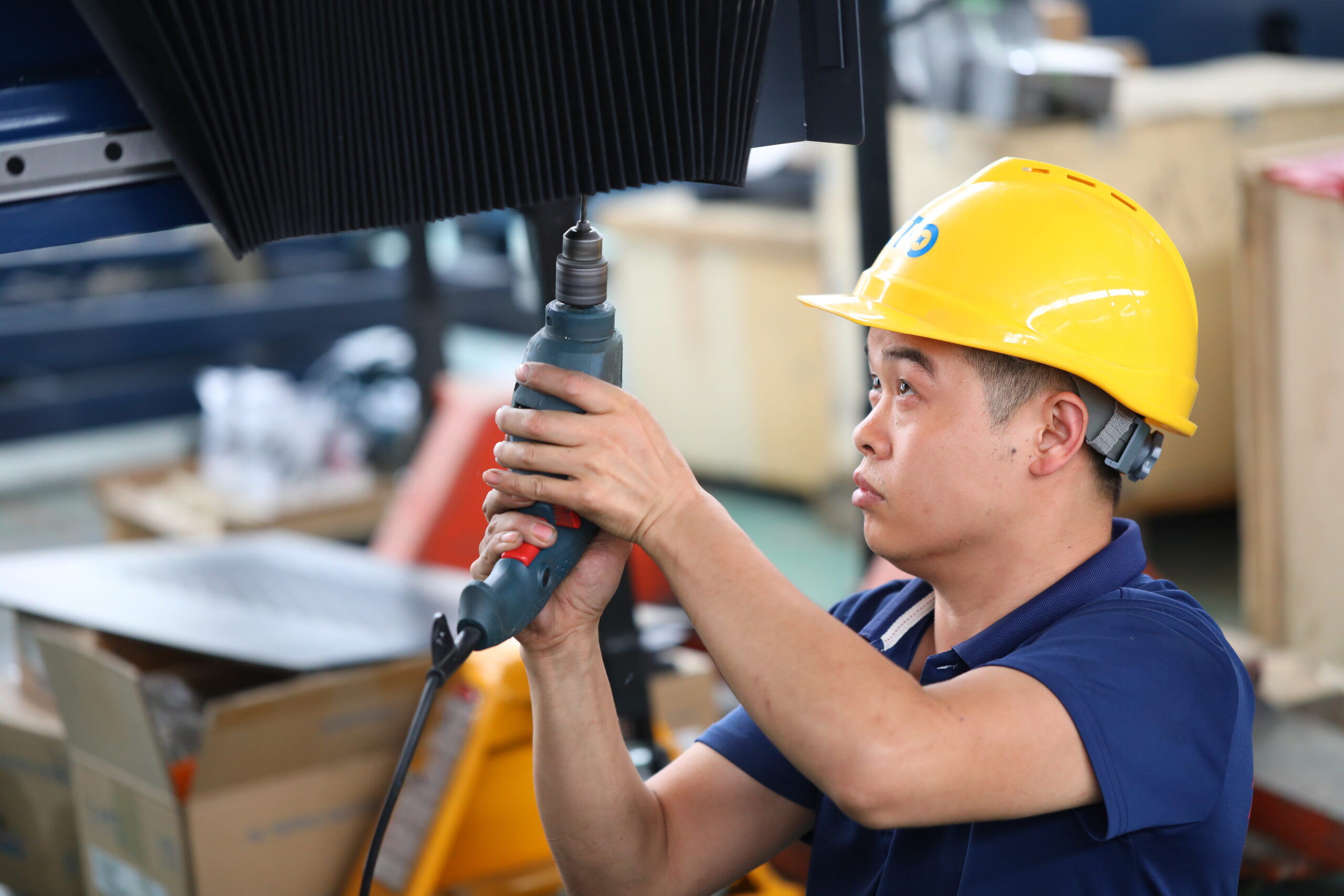
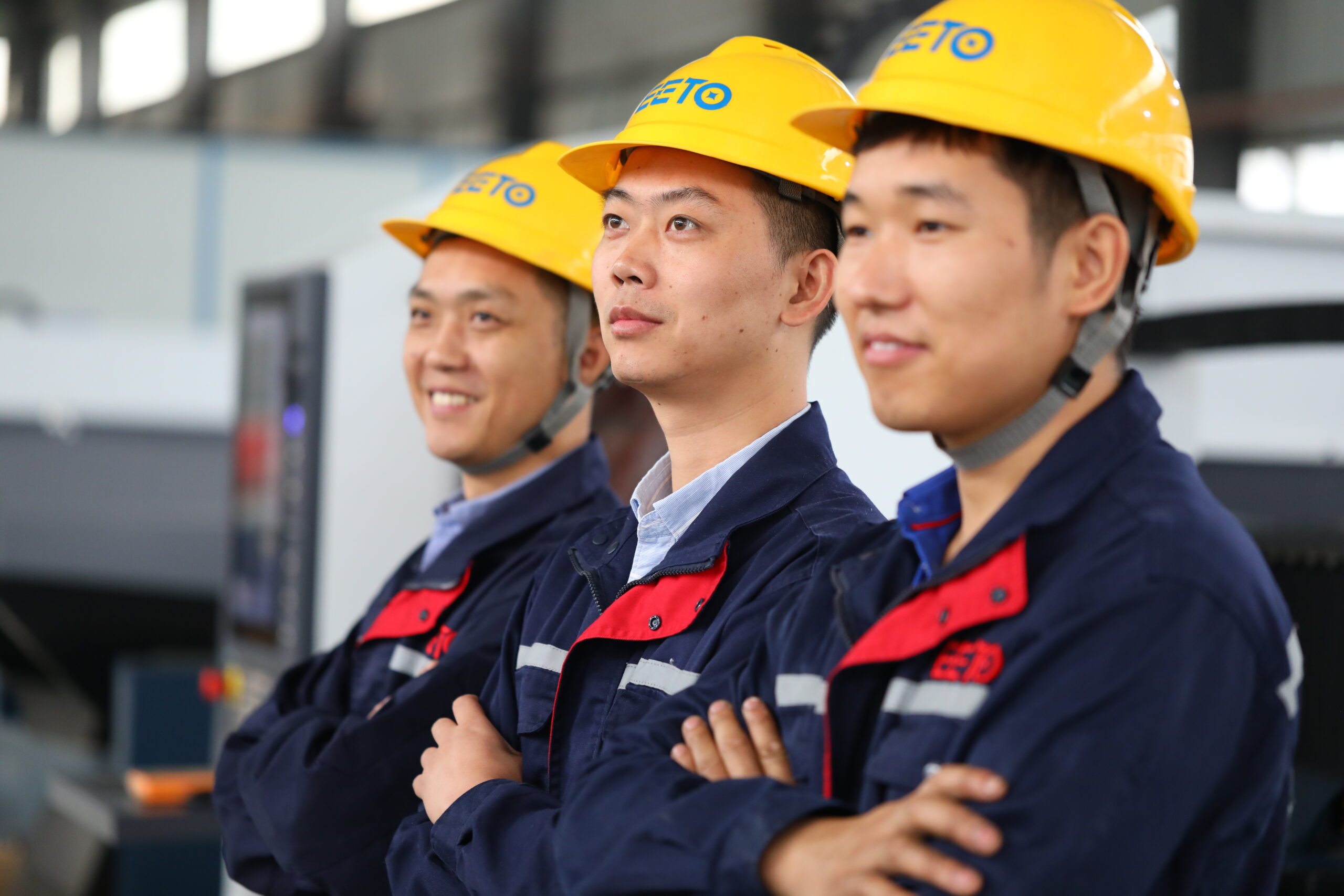
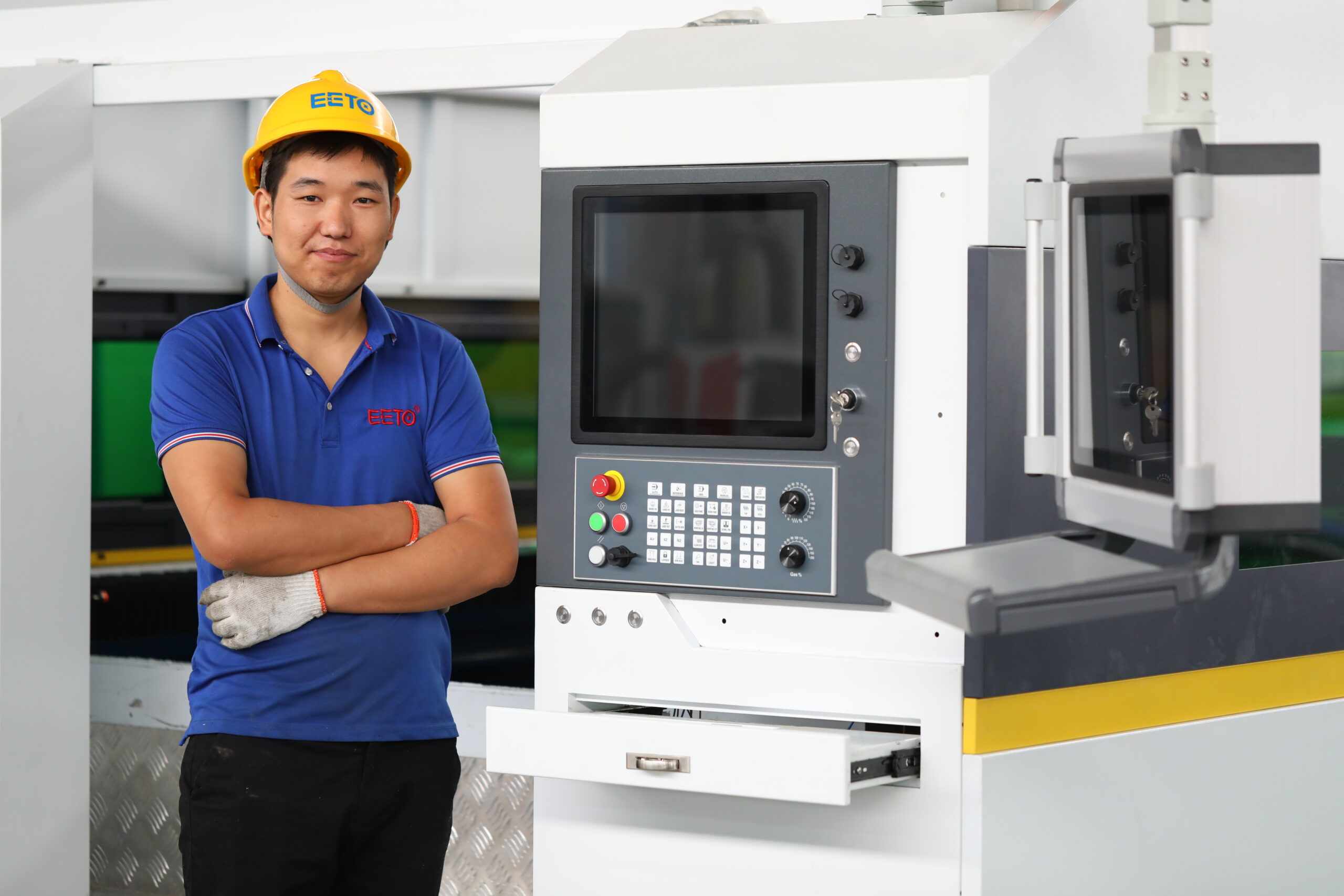
Workshop Display Picture

Why Upgrade to CW Laser Cleaning
Real Problems with Traditional Industrial Cleaning — Solved
❌ Pain Points You Know Too Well
✅ How Our CW Laser Cleaner Solves Each Problem
01
Chemical cleaning is highly polluting and has high consumable costs. Acid pickling, solvent degreasers, and descaling chemicals generate hazardous waste requiring licensed disposal — adding $25,000–$80,000/year in compliance overhead on top of product cost.
01
“Green” cleaning — zero chemical waste, zero disposal cost. Our CW laser cleaning is a completely dry, chemical-free process. The only byproduct is fine dust and plasma — captured by an integrated fume extraction system.
02
Physical cleaning (grinding, wire brush, sandblasting) is not thorough, causes significant surface damage, and involves high labor intensity. Abrasive blasting creates micro-pitting, dimensional changes, and silica dust hazards — forcing costly OSHA compliance and PPE programs.
02
Non-contact, non-abrasive — non-damaging to the substrate. The laser beam never physically touches the surface. There is no micro-pitting, no dimensional change, no metal fatigue. Suitable for aerospace alloys, thin-gauge steel, delicate molds, and heritage surfaces that sandblasting would destroy.
03
Ultrasonic cleaning is limited in part size and lacks flexibility. Tank-bound systems cannot clean in-situ, require part immersion, and are completely impractical for large structural components, pipes, tube bundles, or assembled equipment.
03
Handles surfaces of various materials, shapes, and complex structures. Fiber delivery via flexible cable means the cleaning head reaches inside pipe bores, heat exchanger tube bundles, complex weld joint geometries, and confined spaces — anywhere a physical fiber can reach.
04
None of these methods integrate well into automated production lines. Manual cleaning is operator-dependent — results vary, bottlenecks form, and 24/7 robotic production lines are impossible to implement with chemical or abrasive systems.
04
Easily integrated with robots, cobots, and production lines. The SUP22C cleaning head mounts directly on ABB, KUKA, Fanuc, and UR robot arms. Our CQWY controller provides standard PLC I/O for seamless production line handshake. Full automation replaces manual cleaning with repeatable, 24/7 throughput.
05
Maintenance shutdowns are excessively long. Heat exchanger tube bundle descaling using hydro-jetting and bundle extraction requires 3–5 day shutdowns. Laser cleaning performs the same task in hours, not days.
05
High cleaning efficiency — saves time on both maintenance and production. At 3000W, the CW laser achieves 30 m²/h on oxide and 14 m²/h on heavy rust. Maintenance tasks that previously required multi-day shutdowns are completed in hours. Low consumable costs: under normal operation, only the protective lens requires periodic replacement.
Industrial Applications
CW Fiber Laser Cleaning Applications Across Every Industry
With 1500W–3000W CW output and 300mm max scan width, our laser cleaning systems handle the most demanding industrial surface preparation tasks across manufacturing, maintenance, energy, and infrastructure sectors.
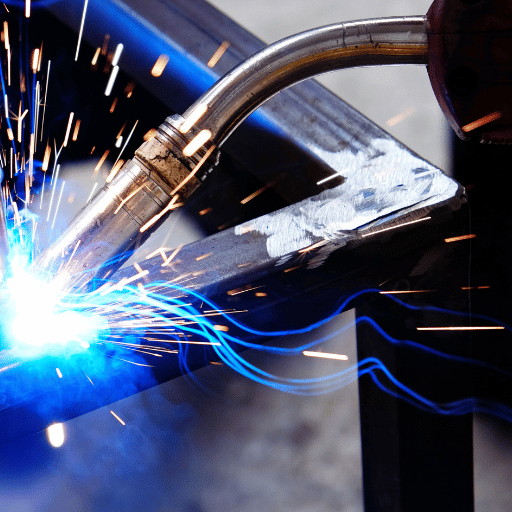
Automotive Weld Preparation
Oxide and mill scale removal from steel stampings prior to MIG/laser welding. CW laser at 2000W delivers ISO 8501 Sa 2.5 surface cleanliness at production line speed, eliminating weld porosity and coating adhesion failures.
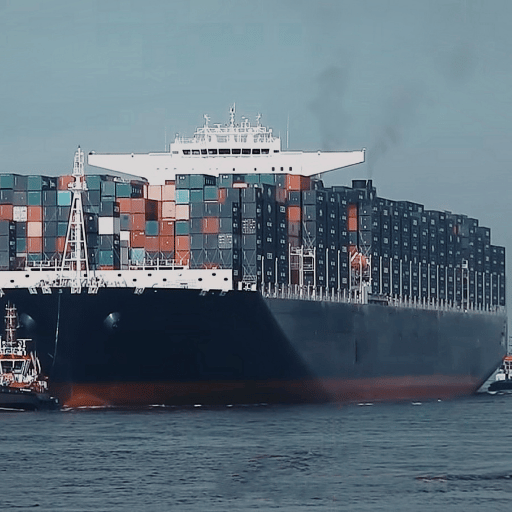
Shipbuilding & Marine Hull
Large-scale structural steel rust removal and anti-corrosion surface preparation on ship hull plates, deck sections, and offshore module steel. The 3000W CW system achieves 14 m²/h heavy rust removal — replacing sandblasting crews.
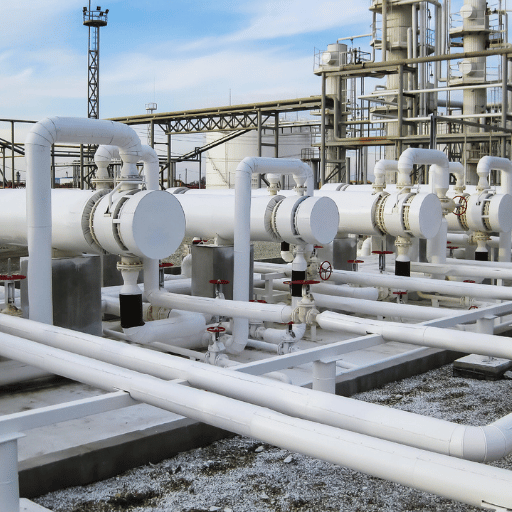
Pipeline & Petrochemical
Internal and external pipe cleaning, flange face preparation, valve body descaling, and heat exchanger tube bundle cleaning. CW laser handles heavy mineral scale, iron sulfide, and wax deposits in petrochemical applications.
Structural Steel & Construction
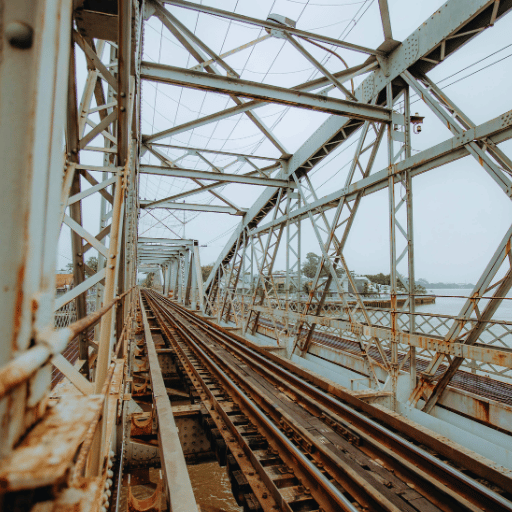
Rust removal from I-beams, box sections, and bridge structural elements before coating application. CW laser cleaning meets SSPC-SP 6/NACE 3 to SP 10/NACE 2 commercial and near-white surface cleanliness standards.
Energy Equipment Maintenance
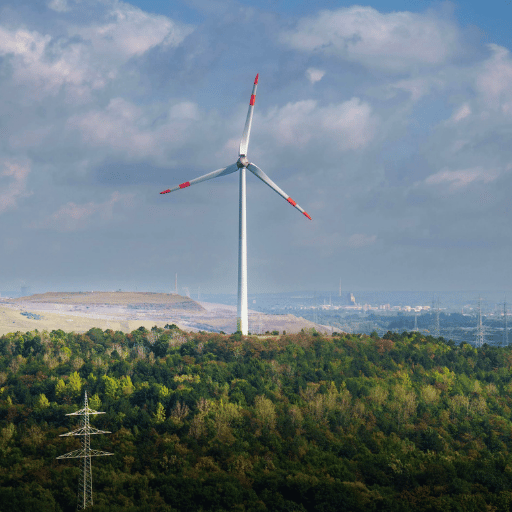
Turbine blade descaling, generator component oxide removal, wind tower flange cleaning, and transformer contact surface preparation. The non-contact process ensures dimensional tolerance preservation on precision energy components.
Mold & Tool Cleaning
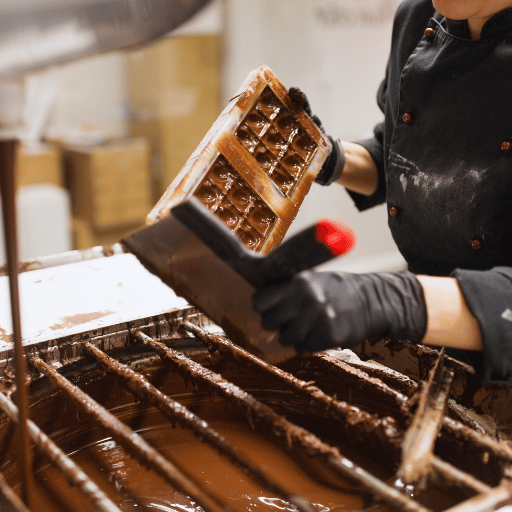
In-situ injection mold cleaning, tire mold carbon deposit removal, and die casting die cleaning without disassembly. CW laser removes flash, release agent residue, and carbonized polymer buildup rapidly.
Verified Customer Deployments
CW Laser Cleaning Machine Case Studies: Real Results, Real ROI
Four documented B2B deployments of EETO FLC-series CW laser cleaning machines. Problem, solution, measurable outcomes.
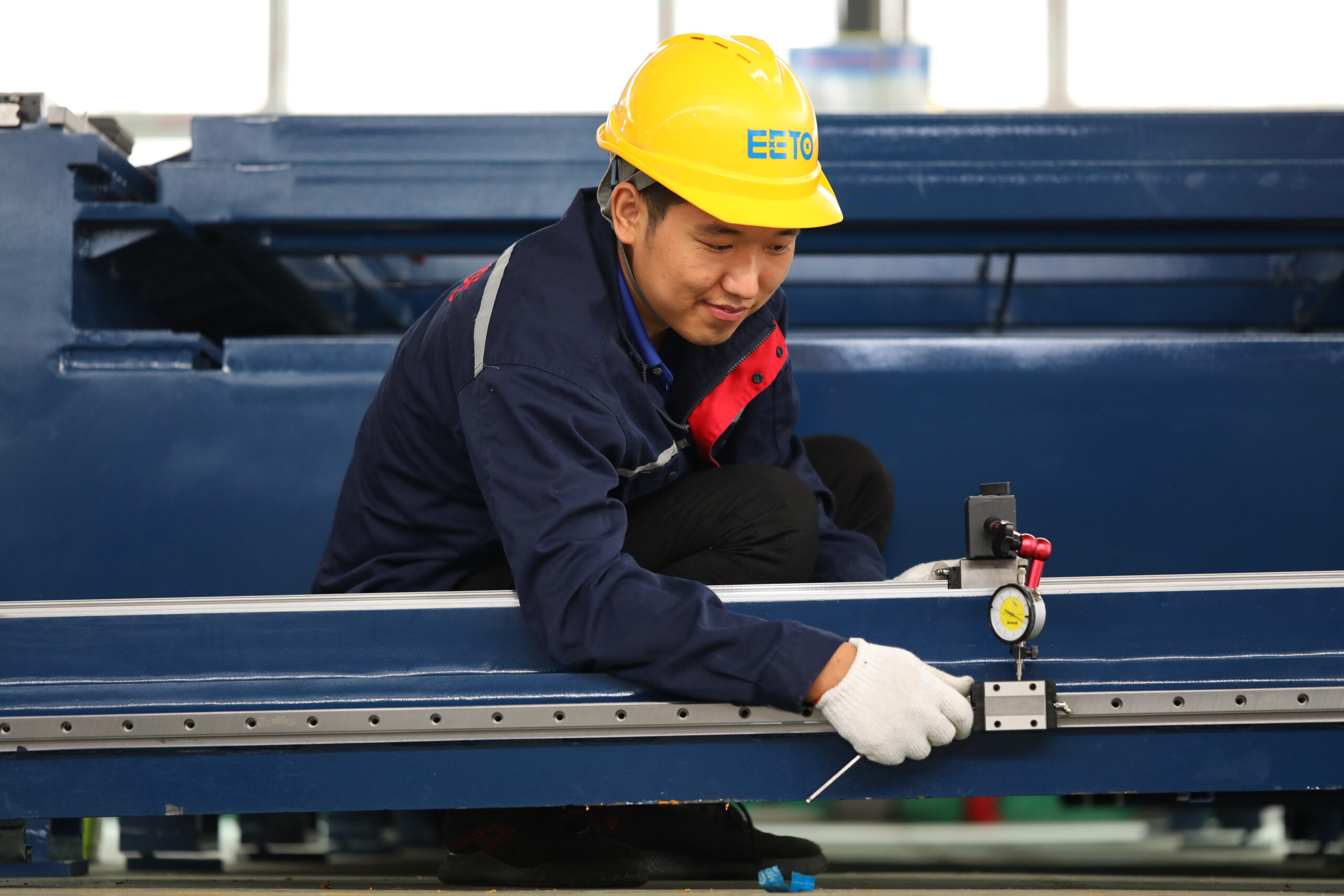
South Korean Company with Three FLC-3000 Units — Hull Coating Failure Rate Drops 92%
92%Failure Reduction
$155KAbrasive Savings
7moROI Period
Challenge
A major drydock processing 8 vessels per year needed to eliminate enclosed-space sandblasting from hull plate surface preparation. OSHA silica exposure violations had resulted in two work stoppages and a $180,000 regulatory fine. Abrasive blast cleaning was consuming 22% of total labor hours in grit cleanup and containment, and first-season coating failure rate of 11% indicated inconsistent Sa 2.5 surface quality from manual operation. Annual grit purchase and disposal was costing $155,000.
EETO Solution
Three EETO FLC-3000 CW laser cleaning machines were supplied and mounted on custom motorized gantry rail systems along the blasting hall. Each 3000W unit achieves 14 m²/h on heavy rust with 300mm scan width. The CQWY controller interfaces with the hall’s Siemens PLC for coordinated multi-machine operation.
“Three FLC-3000 machines replaced fourteen sandblasters and all the grit management overhead. Hull coating inspection at first drydock showed near-zero failures. The project was ROI-positive within seven months.”

Gulf Refinery Eliminates Tube Bundle Extraction — FLC-2000 Restores 96% Heat Transfer
96%Heat Restored
8hrCampaign Time
$82KSaved Per Event
Challenge
A crude preheat train at a Middle East refinery was suffering 28% thermal efficiency loss on a U-tube heat exchanger bundle due to hard scale. Previous cleaning cycle required a mechanical puller, 3-day offline hydro-jetting, and 4.5-day total shutdown — costing $95,000 per cleaning event.
EETO Solution
EETO supplied a FLC-2000 CW system with a custom fiber probe for shell-side insertion without requiring bundle extraction. At 2000W output, the system ablated calcium carbonate and iron oxide scale from tube OD surfaces through 8″ inspection nozzles.
“We haven’t used the tube bundle puller since installing the EETO system. The 8-hour campaign replaced what used to be our most painful turnaround. Thermal performance is back to design spec.”

Tier-1 Auto Stamping Plant — Weld Reject Rate Falls from 3.8% to 0.3%
0.3%Weld Reject
$504KAnnual Savings
6moFull Payback
Challenge
A plant supplying body-in-white components was experiencing chronic weld porosity defects caused by mill scale and oil. Six dedicated grinding operators were employed per shift manually preparing surfaces — bottlenecking the line and contributing $42,000/month in rework costs.
EETO Solution
Two EETO FLC-2000 CW systems were integrated into the production line. SUP22C cleaning heads were mounted on ABB IRB 2400 robot arms, synchronized with conveyor movement. Each system processes flanges at 22 parts/minute — matching line speed.
“Weld quality improvement was immediate and dramatic. The CW laser cleaning system is now a permanent fixture in our production line.”
EPC Contractor Offshore Flange Preparation — Zero Coating Failures on 240km Subsea Line
8,000Flanges Cleared
0Coating Failures
45dCampaign Duration
Challenge
A contractor constructing a subsea pipeline required joint preparation on 8,000 flange pairs. Sandblasting was prohibited on the offshore barge due to grit containment. Chemical cleaning was rejected for disposal logistics. A fast, barge-safe solution was needed.
EETO Solution
Six EETO FLC-3000 CW systems were deployed on the lay barge. Running parallel on three shifts, the units processed all 8,000 flange pairs with a rust removal efficiency of 14 m²/h per unit. The compact footprint suited barge deck constraints perfectly.
“The FLC-3000 was the only viable solution for barge surface prep — no sandblasting, no chemicals. Flange coating inspection 12 months later showed zero FBE failures.”
Factory Direct Logistics
How to Buy a CW Laser Cleaning Machine from Our China Factory
Our B2B procurement process is designed to eliminate risk at every stage — from application validation to factory acceptance testing and global delivery.
01
Submit Inquiry
Tell us your application, material type & contamination
02
Free Sample Test
Ship us samples — we test and send video report + data
03
Custom Proposal
Technical proposal with ROI analysis & spec sheet
04
Order & Build
15–25 day lead time with production updates
05
Factory QC
Full test report + video FAT with your team
06
Deliver & Support
Global shipping, remote setup, 2-year warranty
Technical Q&A
CW Fiber Laser Cleaning Machine FAQ
What is a CW fiber laser cleaning machine and how does it differ from a pulsed laser cleaner?
A CW (continuous wave) fiber laser cleaning machine emits an uninterrupted, constant laser beam at 1064nm wavelength. The EETO FLC series outputs 1500W, 2000W, or 3000W of continuous power through a BWT or RAYCUS fiber laser source, delivering maximum average power for rapid removal of heavy rust, thick oxide scale, paint coatings, and mill scale from metal surfaces. Pulsed laser cleaners, by contrast, fire discrete nanosecond energy bursts — better for precision work on delicate surfaces, molds, and thin-gauge metals where heat input must be minimized. For high-throughput industrial applications — shipyard steel, pipeline descaling, tube bundle cleaning, structural rust removal — CW is the preferred and most cost-effective choice.
What is the actual cleaning speed of the 2000W and 3000W CW laser cleaning machines?
Based on factory test data: The 2000W FLC achieves 20 m²/h on oxide layer (≤20μm) and 5 m²/h on heavy rust (≤120μm) at 50mm/s scan speed with 300mm scan width. The 3000W FLC achieves 30 m²/h on oxide and 14 m²/h on heavy rust under the same conditions. These are ideal evaluation values from flat mild steel tests. For complex geometries, thick contamination, or high-alloy substrates requiring reduced power settings, real-world throughput will be lower. We always recommend sending sample materials for application testing before ordering.
Why does the FLC-3000 require 380V 3-phase power while the 1500W and 2000W models use 220V single-phase?
The 3000W CW model consumes 12.8kW of total system power (laser source + HANLI water chiller + control system + aux gas solenoids). At this power draw, 220V single-phase delivery would require impractically high current, causing voltage drop, cable heating, and circuit breaker issues in most facility wiring. 380V 3-phase distribution is standard in industrial manufacturing facilities globally and delivers the 3000W’s power requirements safely at manageable current levels. The 1500W (6.8kW) and 2000W (8.6kW) models operate comfortably on 220V single-phase — suitable for workshops, shipyards, and maintenance environments without dedicated 3-phase power drops.
Can the CW laser cleaning machine clean heat exchanger tube bundles without full bundle extraction?
In many heat exchanger configurations — yes. Our FLC-2000 and FLC-3000 systems can be configured with fiber probe assemblies sized for insertion through nozzle access points on the shell side, or through tube sheet bore access on the tube side, enabling in-situ cleaning without full bundle extraction using a mechanical tube bundle puller or aerial bundle extractor. This is one of our highest-value applications: customers have reduced cleaning shutdown duration from 4–5 days to 6–10 hours on U-tube bundles by eliminating extraction, hydro-blasting, and acid soak steps. The critical factors are nozzle size, tube pitch, and fouling type — our engineers review the exchanger datasheet and determine feasibility during the free application consultation phase.
What is the laser cleaning threshold and damage threshold, and how do you ensure you don’t damage the substrate?
The cleaning threshold is the minimum laser energy density needed to vaporize or ablate the contaminant layer. The damage threshold is the energy density at which the base substrate begins to be affected. Safe CW laser cleaning operates in the window between these two values. For mild steel rust removal, this window is wide — the rust layer absorbs 1064nm laser energy 15–25× more efficiently than the steel substrate, making the process inherently self-regulating: as rust is removed and clean metal is exposed, the beam energy absorbed by the substrate drops sharply. For sensitive alloys (aluminum, copper, titanium), the window is narrower and we optimize parameters during free application testing using your exact material samples. The CQWY controller allows real-time adjustment of power, scan speed, and duty cycle to maintain operation within the safe window.
How does the CQWY touch screen control system work, and what parameters can be adjusted?
The CQWY system features an industrial touch screen HMI with a dedicated laser cleaning parameter interface. Adjustable parameters include: scanning frequency (Hz), scan width (mm), peak power (W), duty cycle (%), and modulation frequency (Hz). The system displays real-time monitoring of laser output, water chiller status, and system alarms. A secure lock function prevents unauthorized parameter changes during production — important for maintaining consistent surface cleanliness standards. The system supports recipe storage for different applications (e.g., separate parameter sets for rust removal, oxide cleaning, and paint stripping). PLC digital I/O for robot handshake and production line synchronization is standard.
What is the difference between oxidation removal and rust removal in the parameter table?
Oxidation cleaning refers to removing thin oxide films (≤20μm) — typically mill scale, thermal oxide from welding (heat tint), or light surface oxidation on stored steel. These are thin, tightly bonded layers. At 3000W, the CW laser achieves 30 m²/h on these thin oxide layers. Rust removal refers to iron oxide corrosion product (Fe₂O₃, Fe₃O₄, FeOOH) that has developed to ≤120μm thickness — much thicker and more porous than mill scale, requiring significantly more laser energy per unit area to fully ablate. At 3000W, heavy rust removal achieves 14 m²/h. Contamination thicker than 120μm (deep pitting corrosion, layered rust with moisture) may require multiple passes and will reduce throughput further — sample testing is essential for thick corrosion applications.